Thailand Visa Runs: Methods of Maintaining Status

This article is intended to provide a primer to those seeking information about maintaining lawful Thai Immigration status through border runs.

Thai Immigration regulations are fast becoming more constrictive, multifaceted, and stringent. Compared to the European Union, the United States of America, Canada, Australia, or the United Kingdom Thailand’s immigration rules are relatively liberal. However, compared to countries in Southeastern Asia such as Cambodia, Laos, Malaysia, and Indonesia the Thai Immigration rules are considerably more stringent.

The promulgation of Thai visa exemption stamps is one area of Thai Immigration that has slowly become more regulated over the years. There was a time when non-Thai nationals could remain in the Kingdom for a virtually indefinite period of time so long as they made monthly trips to the border in order to be stamped out and stamped back into the country on a visa exemption. These trips to the border were called “border runs,” or “visa runs,” which explains the etymology of those terms. Around the beginning of this decade, Thailand’s Immigration authorities began giving serious thought to the visa exemption program and many modifications have been made over the past ten years. Most important to many is the end of the infinite “border run,” because now non-ASEAN citizens are only granted a maximum of 15 days presence in the Kingdom without a visa and those repeatedly utilizing a visa exemption are viewed suspiciously. Although this method of visa running is being phased out, there are other methods of maintaining lawful status which may still be beneficial to those wishing to remain in the Kingdom.

The “airport visa run,” has become somewhat popular as flights to countries like Malaysia and Vietnam are relatively inexpensive. Couple this with the fact that Thai Immigration currently grants thirty day exemption stamps at the airport to many nationalities and this creates a situation in which some opt to use the airport in a manner similar to previous land border usage.

Another method of “visa running,” now being employed is that of running to a nearby Consulate and obtaining a tourist or non-immigrant visa. These travel documents provide at least 60 days lawful status with a possible option to extend the visa domestically at Royal Thai Immigration. However, Consulates and Embassies in Southeast Asia are becoming less cooperative in granting multiple tourist visas.

The Thai visa process is generally easier for those who begin the process from their country of origin or travel back to their country of origin in order to apply for a long term visa. This could be attributed to the fact that some choose to apply for a long-stay multiple entry visa. This method still requires visa running, but the upside is a lack of hassle because it is not necessary to return to a Consulate. Also, Thai Immigration routinely stamps such visa holders out and back in on the same day thereby providing 90 more days of lawful status in the Kingdom. As this method provides the most lawful presence in Thailand and creates the least amount of consternation, it has become the preferred method for long term travelers staying in Thailand.

Benjamin W. Hart is a Member of the American Immigration Lawyers Association and Managing Director of Integrity Legal (Thailand) Ltd. a US-Thai Amity Treaty company. Contact Integrity Legal at 1-877-231-7533, +66 (0)2-266-3698, or info@integrity-legal.com. See more on this subject at Thailand visa.

Holidays in Thailand – Phuket in 10 Exciting Days

In spite of the tsunami of 2004, Phuket has steadily rebuilt much of its infrastructure so that it now holds as much of its previous glamour as before. Its beautiful beaches foster excellent diving conditions, and the ever-clear Andaman waters never let divers down. The nightlife is thriving and there’s always something to get on board with, so you’ll never find yourself without something to do.

Gibbon Rehabilitation Centre

At this time, at least three families of rescued gibbons have been introduced back into the wild and currently live on the Royal Reserve. Their distinctive calls can be heard in the forest, and visitors who catch a glimpse of these animals are always glad they came. A stopover or maybe even a quick swim at the nearby Bang Pae Waterfall makes this trip twice as appealing.

Adventure sports

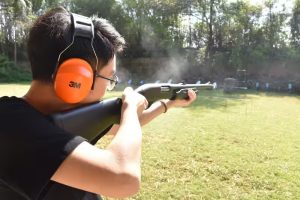
Phuket is loaded with activities to get your heart racing and your adrenaline pumping. The island is home to Thailand’s only licensed bungee jump operator who, on top of those credentials, is the only operator in all of Asia to insure this activity. Those wishing to dive into the forests and hills on the island can do so on the back of an ATV or strapped to a lumbering elephant. A shooting range in Chatong has safe and reputable facilities, and go-kart tracks are easy to find. No matter what your preference is, there’s an outlet for the adventure seeker on vacation.

Island hopping

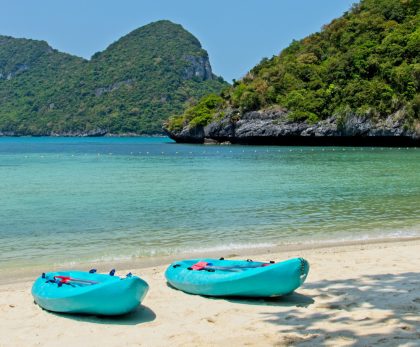
The archipelago of islands that extends past Phuket is known around the world for its beauty. Chartered daytrips can be arranged to almost any of these Andaman Islands, where passengers can enjoy sightseeing, snorkelling and depending on availability, overnight accommodation. You may have seen a few of these islands in feature films like The Beach or a James Bond movie. A few of the more outstanding islands are Phi Phi, Koh Lanta, Coral Island, Kaew Island, Similian Islands and Sirey Island.

Water sports

Water sports at Phuket are multi-faceted. Parasailing over the Andaman offers a great perspective with the coast on one side and the horizon on the other. Scuba diving and snorkelling in the famously calm, clear waters is a fun activity that the whole family can participate in. For those with a penchant for sailing, there are dinner cruises to enjoy, sailing lessons in which to enrol and fishing trips on which to embark.

Waterfalls

Phuket’s waterfalls are great places to take a swim or enjoy a picnic. Kathu Waterfall is the farthest inland and offers inviting, cooling pools for a quick dip. Ton Sai is often photographed due to its pools and tall palm trees. The island’s Gibbon Rehabilitation Centre is home of the island’s third waterfall, Bang Pae, and those who venture here are also afforded the opportunity to glimpse one of these rare animals.

Shopping

Shopping is a popular pastime anywhere in Thailand. Shoppers in Phuket will find the whole gamut of traditional souvenirs. Silk, cotton and custom-made clothing can all be found at attractive prices, as can leather, jewellery and antiques. Patong is home to many of the markets and due to the everyday tourist scene, shoppers do well to come prepared ready to bargain for a price that both parties can agree on.

Eating out

Restaurants in Phuket cater for every palette with international and world-class Thai cuisine available all over the hottest tourist districts. Fresh seafood is in seemingly endless supply, and most dishes are tailor-made to satisfy tourists—not too spicy without a specific request. Authentic Thai food is easier to find the farther inland you go, where the crowds of tourists give way to legitimate Thai villages and communities.

Thai kick boxing

Visitors who come to Thailand specifically to study martial arts will not be disappointed in Phuket. Phuket Town, Chalong and Rawai are all home to open training gyms where students learn the ancient martial art form of Thai kick boxing, or Muay Thai, which has increasingly gained world recognition for its highly effective combat style. Its popularity is evident in the droves of spectators that gather every Friday to watch the fights hosted in Phuket Town.

Promthep Cape

Promthep Cape is one of Phuket’s most photogenic spots, a fact to which the crowds of tourists testify. On-site is a popular merit-making shrine covered in miniature elephants. There’s also a statue erected in honour of a 19th century prince well-known for founding a Thai school of navigation. The cape is a great place to take spectacular photos, especially at sunset when the evening light bathes this southernmost point of the island.

Temples

Wat Chalong is the most visited Buddhist temple on Phuket, due largely in part to its unique design and décor, spacious grounds and modern chedi (pagoda). Other well-known temples include Pra Tong, Put Jaw, Jui Tui, Pra Nahng Sahng and Sanjao Sam San. When visiting any temple, locals will appreciate it if you practice proper etiquette—namely covering your legs and shoulders, taking off your shoes and maintaining an air of reverence when inside the sacred buildings.

Web writer Andy Burrows frequently visits Thailand and plans his trips online using web;
1stop Phuket
Phuket maps


Powered by Yahoo! Answers